

Plenum vs. Riser Cable
CMP, CMR and outdoor cable, and which one your building needs
Two boxes of Cat6 can perform identically on a tester and still not be interchangeable. The letters printed on the jacket, CMP, CMR or CM, describe how the cable behaves in a fire, and the electrical code decides which is allowed in each part of a building. Getting it wrong means failing inspection and pulling the cable back out.
The short version
- CMP (plenum) is required in ceilings and floors used to move air.
- CMR (riser) is for vertical runs between floors and for ordinary non-plenum spaces.
- A higher rating can always stand in for a lower one. A lower rating can never stand in for a higher one.
- Indoor cable does not survive outdoors, and outdoor cable is restricted indoors.
What the ratings mean
| Marking | Name | Fire test | Where it is allowed |
|---|---|---|---|
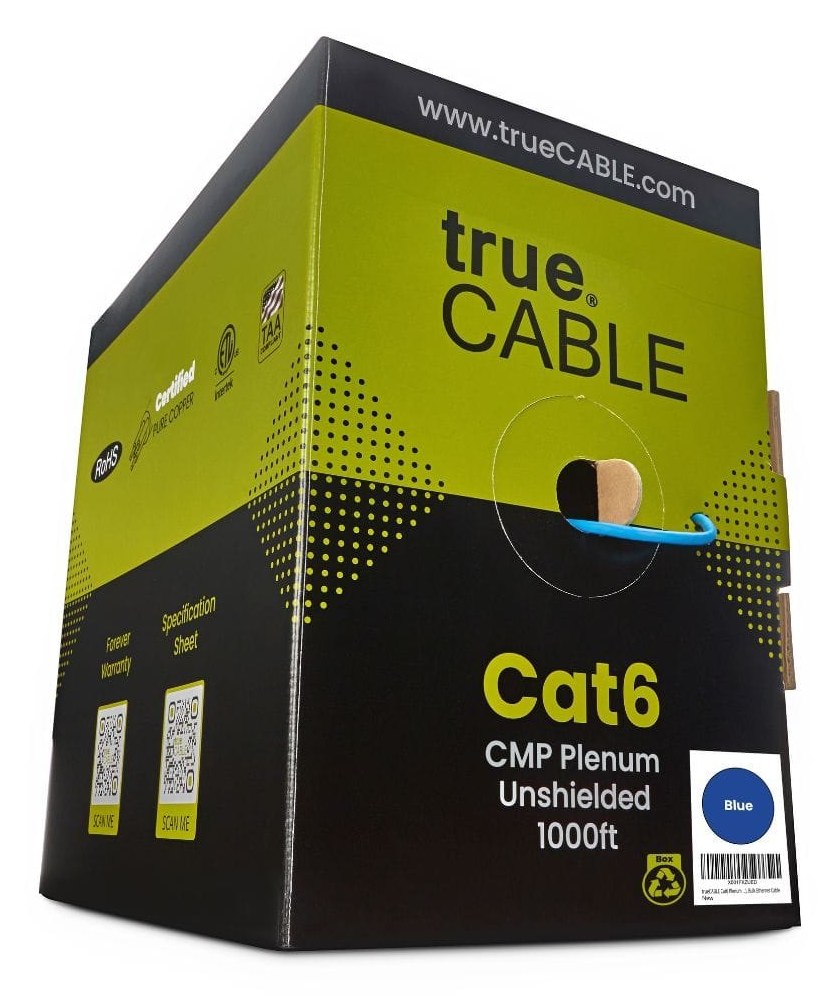
| CMP | Plenum | NFPA 262: low flame spread and low smoke | Air-handling spaces, and anywhere below |
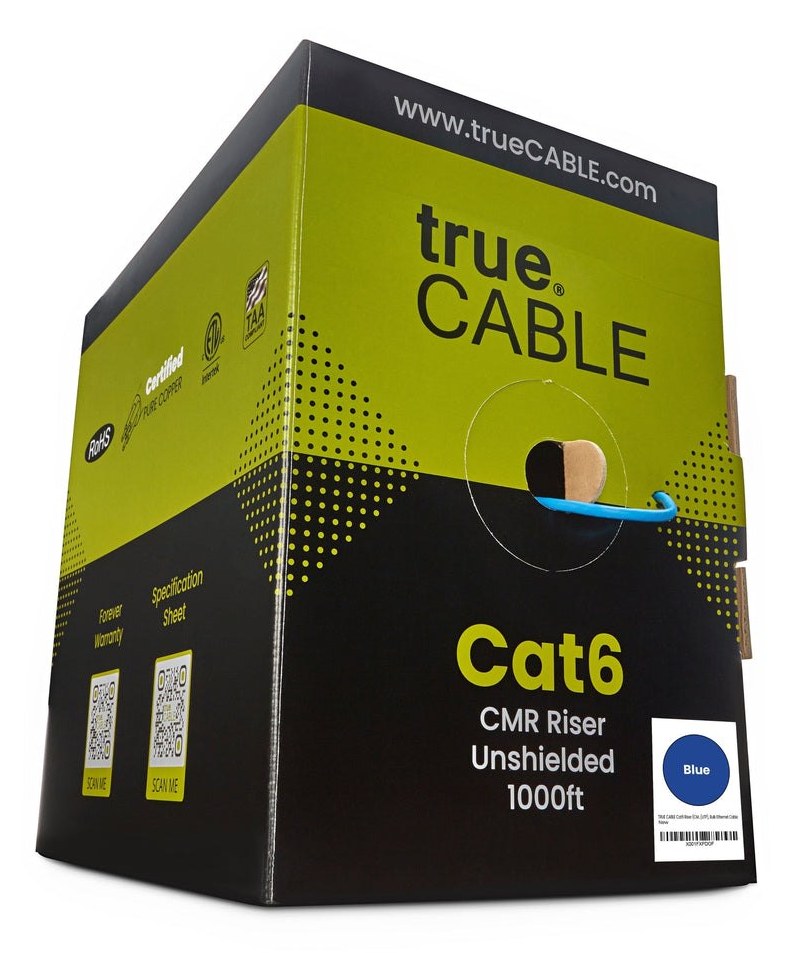
| CMR | Riser | UL 1666: must not carry fire floor to floor | Vertical shafts and general spaces; not plenums |
| CM / CMG | General purpose | Vertical tray flame test | Within a single floor; not risers or plenums |
| CMX | Limited use, outdoor | Basic flame test | Outdoors, and limited lengths indoors |
What a plenum is
A plenum is a space the building uses to move air. The most common case is the gap above a suspended ceiling when it serves as the return-air path to the HVAC system, with no ductwork on the return side. Raised floors used for air are plenums as well.
The concern is smoke. In a fire, anything burning in that space is drawn into the air system and distributed through the building. Plenum cable uses jacket and insulation materials that resist burning and give off far less smoke. That is also why it costs more: the materials are more expensive.
Look above the tiles. If the return grilles open straight into the ceiling space with no duct attached, it is a plenum. If every return grille has ductwork behind it, it usually is not. Many buildings are mixed, and the mechanical drawings or the building engineer will settle it. When in doubt, the inspector's reading is the one that counts.
The substitution rule
The code ranks the ratings from most fire-resistant to least: CMP, then CMR, then CM, then CMX. Any cable may be used where a lower rating is called for. CMP is therefore legal everywhere indoors, and some owners choose it throughout so that nobody has to think about which ceiling is which. CMR in a plenum ceiling is a violation however short the run.
Outdoor and underground cable
| Type | Built for | Notes |
|---|---|---|
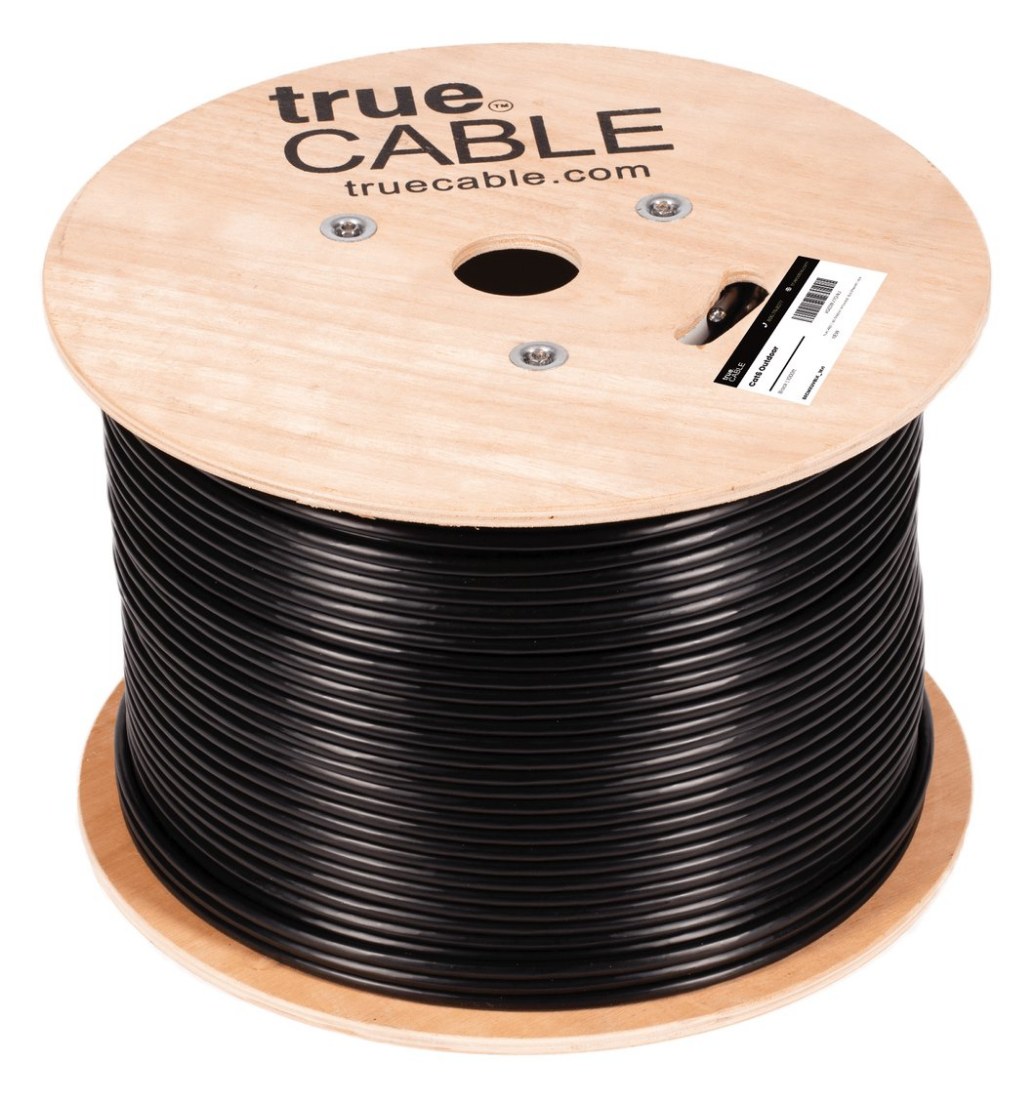
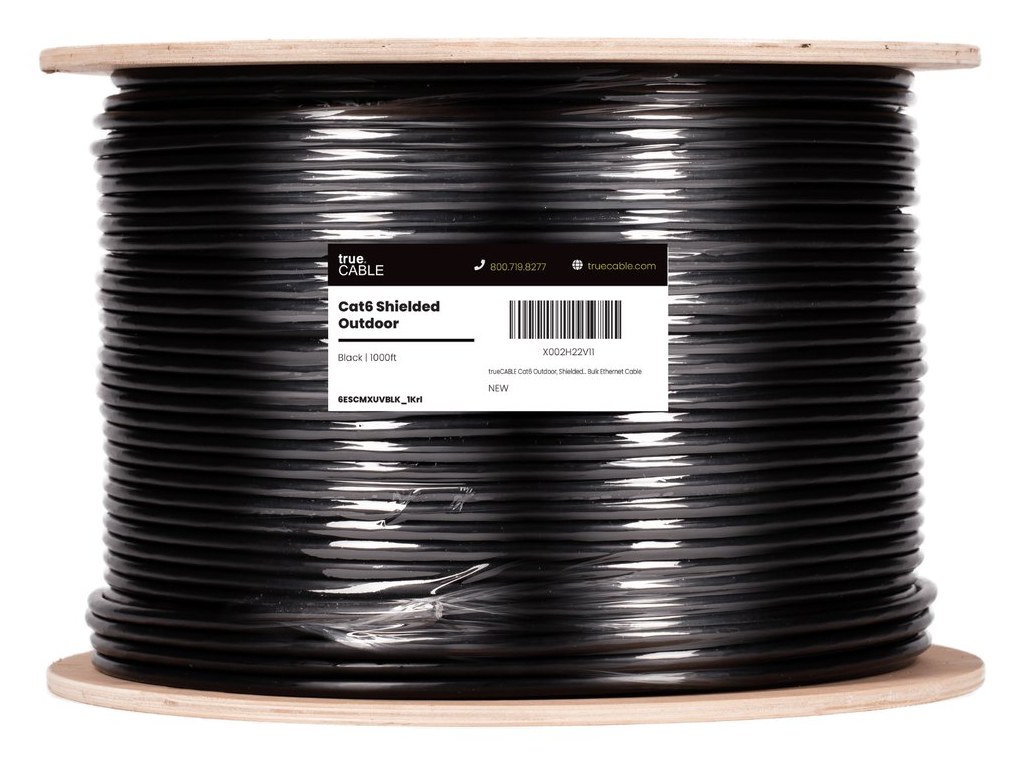
| Outdoor, UV-rated | Exposed runs on walls, poles and rooftops | Jacket resists sunlight; ordinary indoor jackets crack within a few seasons |
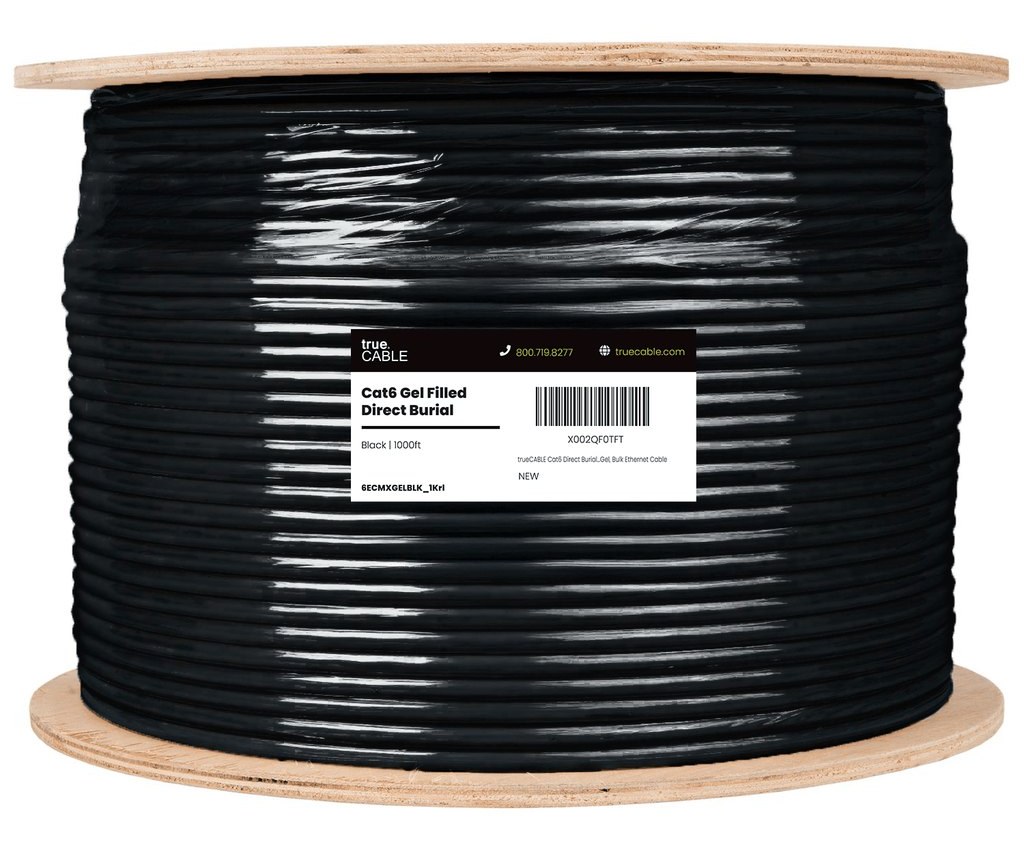
| Direct burial | In the ground without conduit | Water-blocking tape or gel keeps moisture out of the pairs |
| Outdoor shielded | Poles, gates, building-to-building | Shield bonded to ground, with surge protection where it enters the building |
- Conduit underground fills with water over time. Cable in buried conduit should be rated for wet locations.
- Outdoor cable is limited in how far it may run inside a building before changing to rated indoor cable, generally about 50 feet from the point of entry.
- Copper between buildings invites lightning damage. Fiber is the better choice for building-to-building links.
The same rules apply beyond data cable
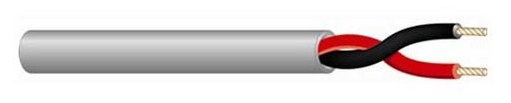
Paging, audio, security and access control cable carry their own versions of the same ratings, marked CL2P or CL3P for plenum and CL2R or CL3R for riser. Fiber is marked OFNP and OFNR. A speaker cable above a plenum ceiling needs a plenum rating just as the network cable does.
How Smart Life handles it
- We check the ceiling type on the site walk, before the estimate is written, so the cable type is in the price from the start.
- The estimate names the cable and its rating for each area.
- Where a building mixes plenum and non-plenum space, we often recommend plenum throughout: the saving from splitting it is usually smaller than the risk.
- Openings through fire-rated walls and floors are the building's responsibility to keep sealed. We tell you where we go through them.
Common questions
What is the difference between CMP and CMR cable?
CMP is plenum-rated cable for ceilings and floors used to move air; it resists burning and gives off little smoke. CMR is riser-rated cable for vertical runs between floors and for ordinary non-plenum spaces.
Can I use plenum cable everywhere?
Yes, indoors. A higher rating may always be used where a lower one is called for, so CMP is allowed in riser and general spaces. Riser cable may not be used in a plenum.
How do I know if my ceiling is a plenum?
If the return-air grilles open straight into the space above the ceiling tiles with no ductwork attached, the ceiling is a plenum. If every return grille is ducted, it usually is not.
Cable for each space
From the cable and parts we use on our own jobs. Select an item for its data sheet (PDF).
The cabling series
- Low-Voltage Cabling, Explained
- Cat6, Cat6A or Fiber?
- Solid Copper vs. CCA Cable
- Plenum vs. Riser Cable (this article)
- Power over Ethernet, Explained
- Cabling for 70-Volt Paging and Audio
Related services
See structured cabling, fiber optic cabling, overhead paging and intercom.
Not sure whether your ceiling is a plenum? We check it on the site walk, before the estimate is written, so the right cable is in the price from the start.
More articles
Low-Voltage Cabling, Explained
The foundation under every system in the building
What low-voltage cabling is, why buildings are wired this way, what a structured cabling system includes, and where installations go wrong.
Solid Copper vs. CCA Cable
Why the conductor matters, and how to tell what you are getting
Copper-clad aluminum (CCA) is sold as Cat6 but does not meet the standards for category cable. Why it fails with Power over Ethernet and how to spot it.
Power over Ethernet, Explained
What PoE delivers, and what it asks of the cabling
Power over Ethernet explained for a business: PoE, PoE+ and PoE++ wattages, what each powers, why cable quality matters, and how to size a PoE switch.
Cabling for 70-Volt Paging and Audio
How 70-volt systems work, and what to run for them
How 70-volt paging systems work, how to add up speaker taps, which speaker and signal cable to run, plenum ratings for audio cable, and where IP speakers fit.
